


River waves: Fish habitat and boat passage
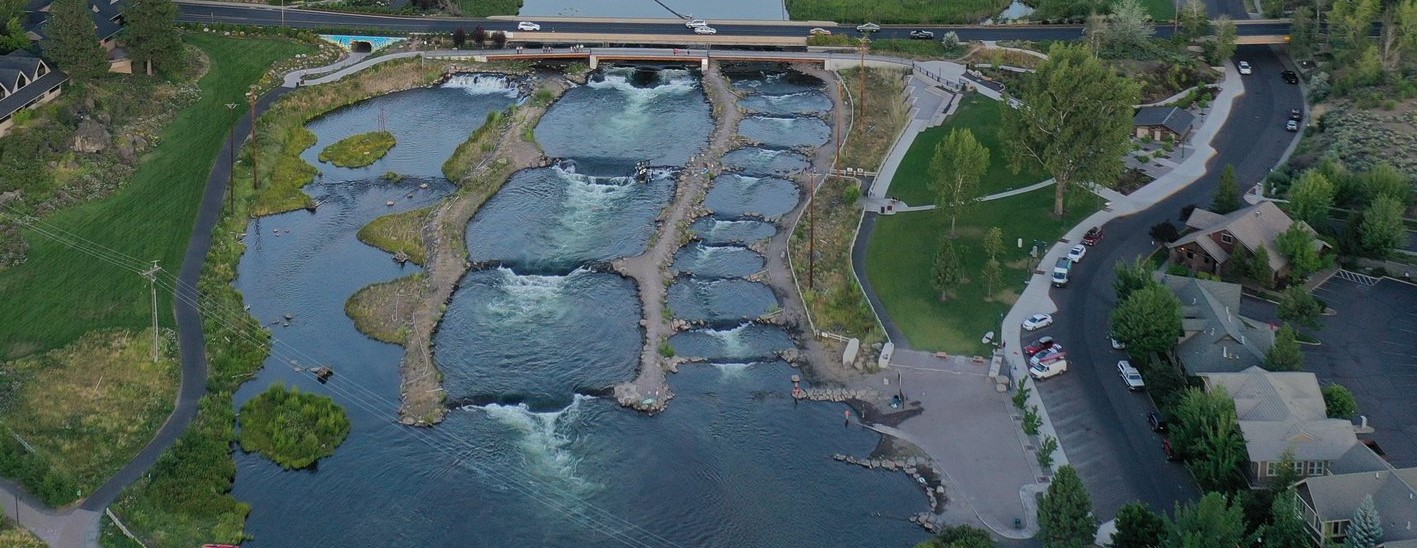
This is an overview of the opportunities and concerns related to fish habitat, fish passage and boater passage when constructing new river waves. The comments draw on the referenced studies of fish passages and recreational waterparks, extensive review & testing of existing river waves and a long history of building great waves in rivers.
The planned construction of river waves always results in concerns from three primary groups: anglers, environmentalists and flow through boaters. The groups are worried that the construction of river waves will threaten fish habitat, the fish passage upstream through the wave and the passage of watercraft. These concerns are very reasonable and important concerns because the conditions for great waves are not great conditions for fish habitat, fish passage and boat passage. Fortunately, there are thoroughly proven, strong and effective solutions to fish passage, fish habitat and boat passage at new river waves.
Environmental Benefits of River Waves
Major environmental benefits can result from creating river waves including increased awareness of river ecosystem health and creation of aquatic and riparian habitat. The awareness comes from people being close to and immersed in the river. The more positive interactions people have with rivers and river ecosystems, the more they understand the value of protecting and preserving the rivers. River wave construction is an opportunity to create additional riparian and aquatic habitat for animals on the bank and in the water.
Fish Passage Concerns and Solution Overview
The primary concern is that river conditions created by river waves will be barriers to fish passage. Some of the specific areas of concern are:
- High water velocities over a long distance
- Low water depth
- High turbulence
- Large change in elevation over a short distance
Two of the proven solutions are a separate fish channel and/or creating a fish passage within the wave channel. The separate fish channel provides a section of the river dedicated to allow fish to pass upstream and is designed to ensure the velocities, depth, turbulence and layout is appropriate for the area fish population. This separate passage can be combined with a boat passage. The solution of creating fish passage within the wave channel involves building features that disrupt the river flow at the scale of the fish to reduce water velocity, ensure appropriate depth, provide appropriate levels of turbulence and provide appropriate drop. An example is placing boulders through the drop with enough space for fish to swim between them. These boulders provide fish routes through the drop that are sheltered from the full current.
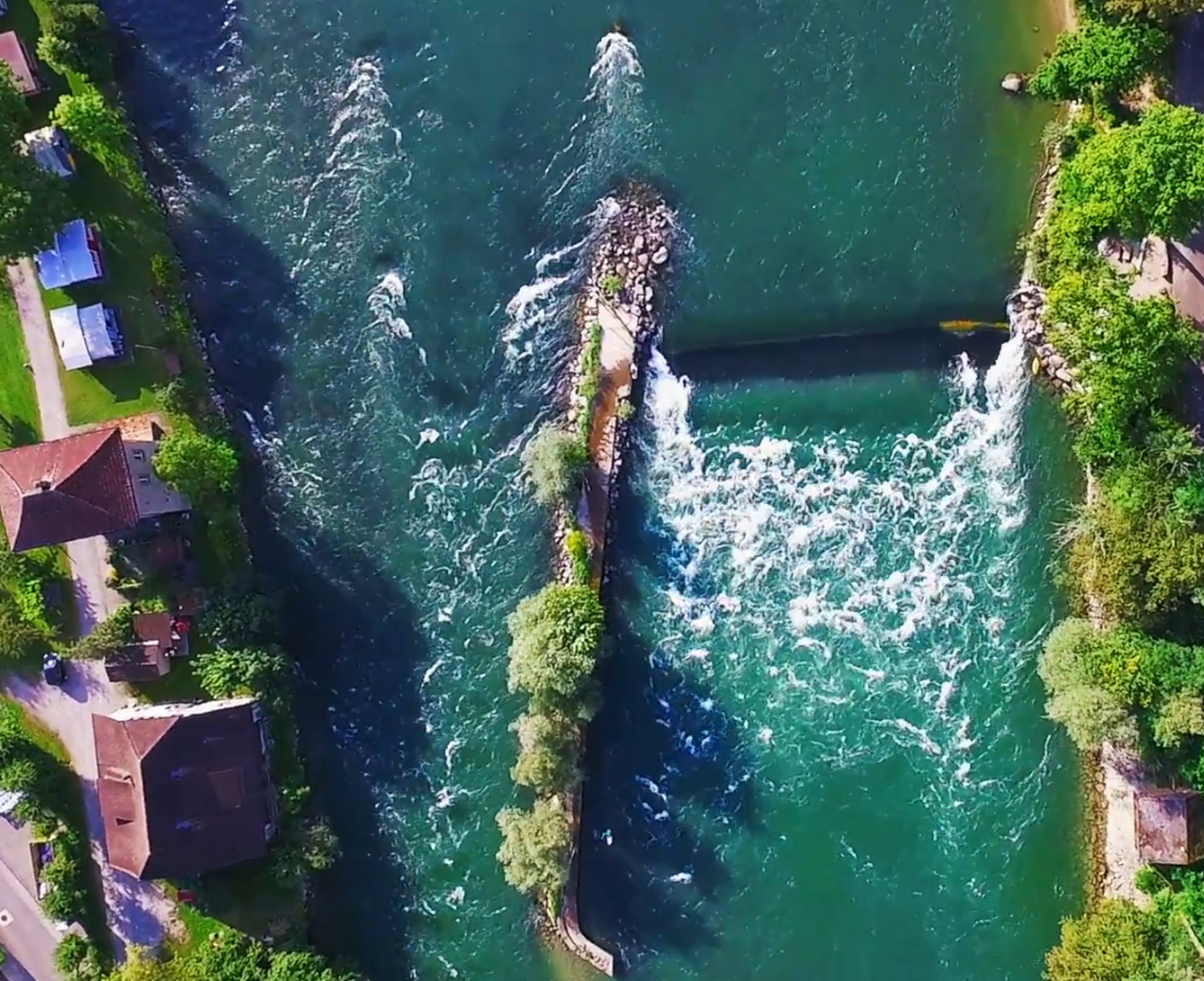
Fish passage and separate wave channel
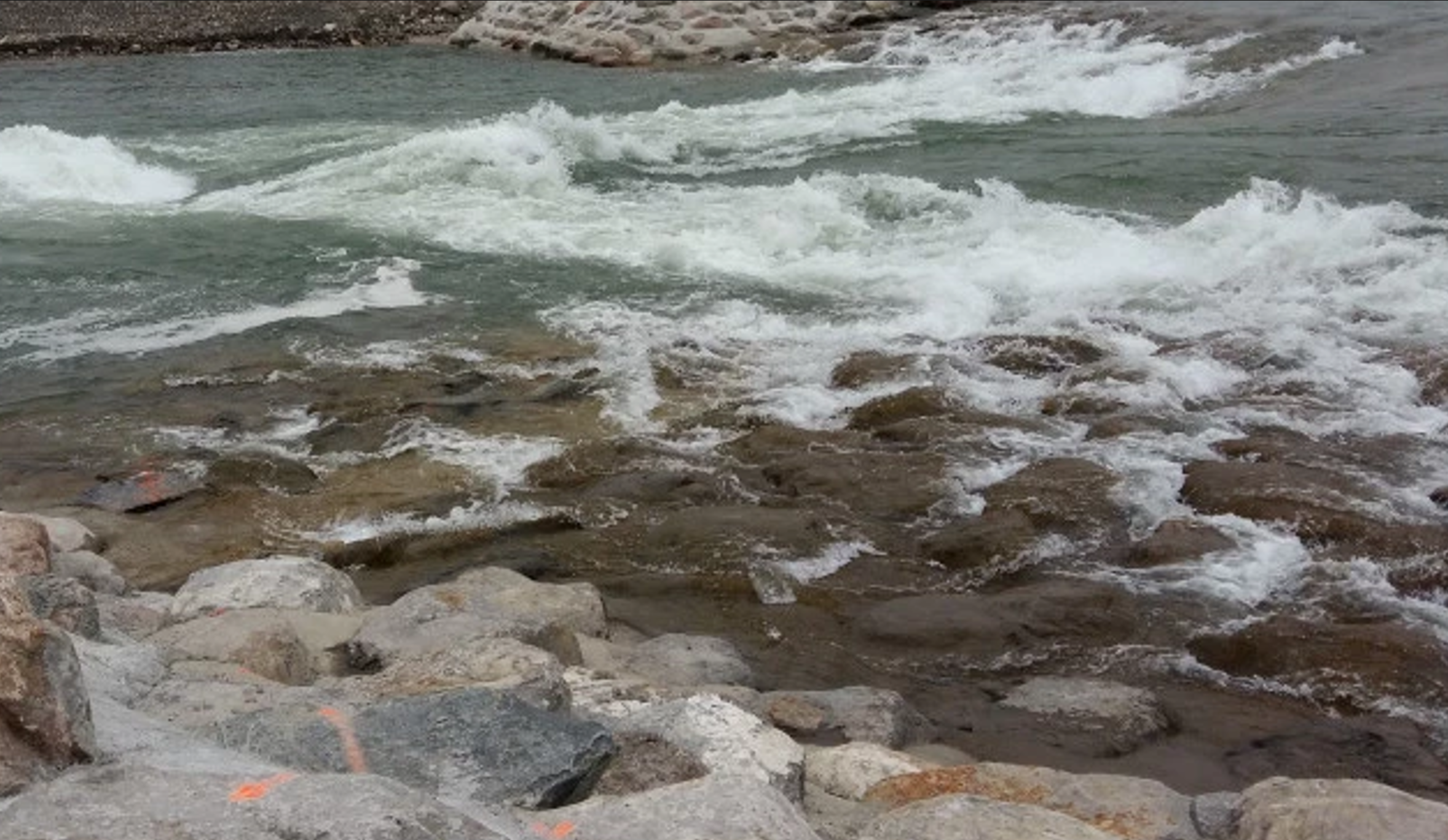
Boulders in flow beside wave providing fish passage
Fish Habitat Concerns & Solution Overview
The primary concern is that the river wave will destroy fish habitat. The areas immediately around constructed river waves are not ideal fish habitat for the following reasons:
- High density of human usage
- Higher water velocities
- Higher turbulence
- Higher surging
- Ease of over fishing
River wave construction requires a significant adjustment to the river bottom and banks in the immediate area of the wave. This work is an opportunity to construct new and dedicated fish habitat in an area separate from the surf wave and build routes for human usage that minimize environmental impact.
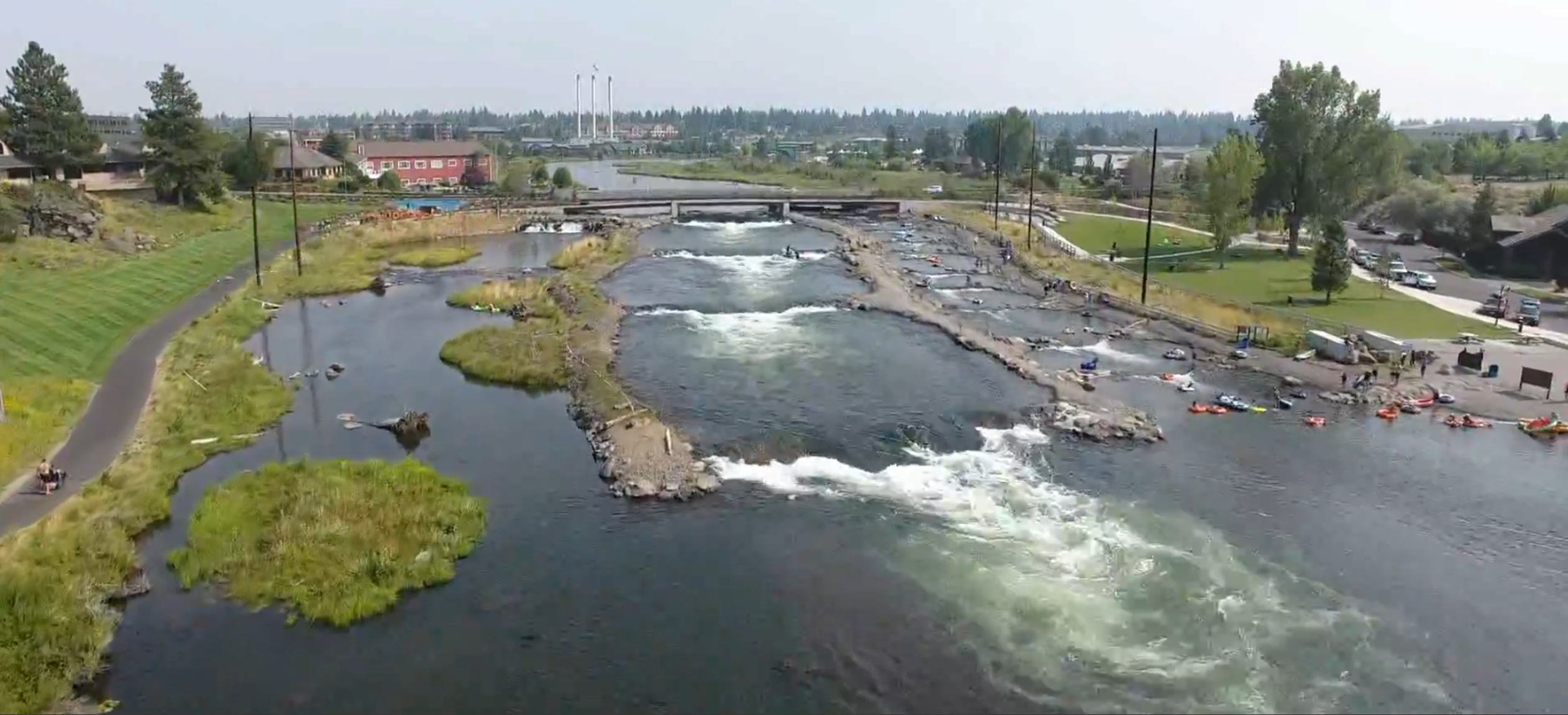
Habitat on left, Waves in middle, Tuber Passage on right. Replaced hazardous dam.
Boat Passage Solution Overview
The primary concern is that the river wave will be too large of a feature for boats to navigate without capsizing. Some of the specific concerns with boat passage are:
- High water velocity
- Transition from downslope to very steep wave over a short distance
- Turbulence after the wave
- Shallowness on downslope to wave
A common solution is to create a longer secondary channel with slower water and no or very small waves. This channel is often combined with the fish passage channel. A secondary solution is to provide a portage route.
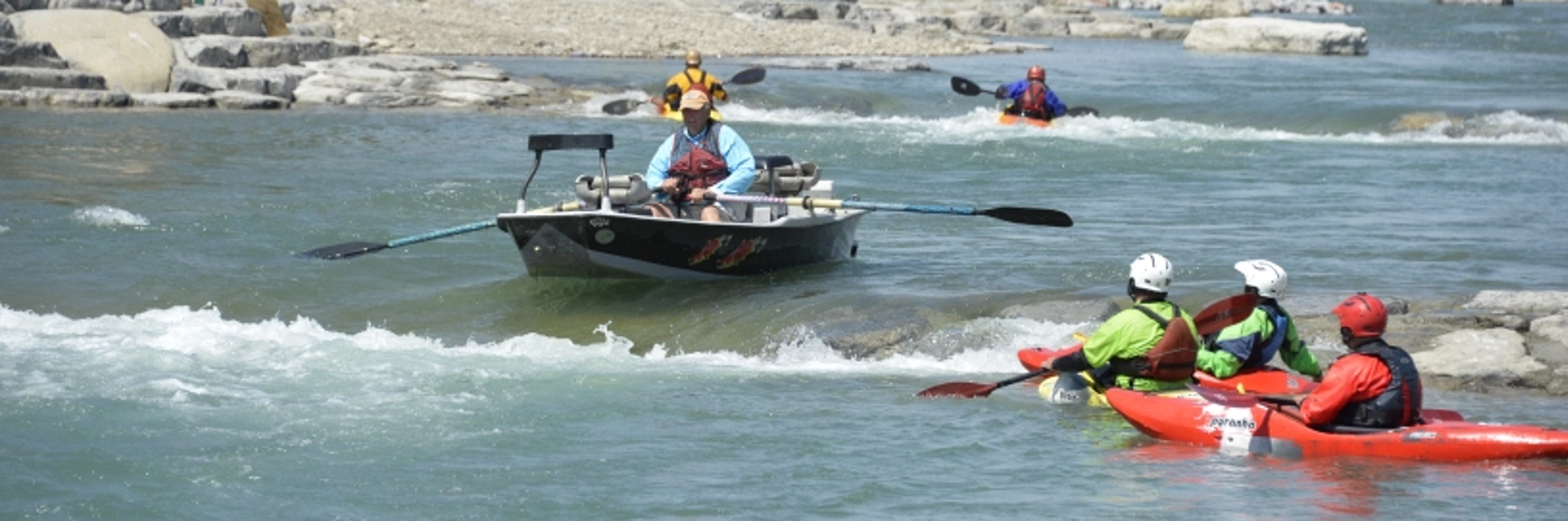
Low flow channel designed with small drops and allowing passage of all boats
Conflict with Anglers and Flow Through Boaters
Potential conflict with anglers and flow through boaters is best addressed & minimized through strong, positive & ongoing education starting as early in the project as possible. Anglers and flow through boaters are often not aware that river wave projects can benefit fish habitat and provide good passage for fish and good passage for boaters. Be prepared to provide some clear education before the issue comes up and include the education it in all publications from initial project considerations forwards.
Conclusion
The construction of river waves can provide real & long-term benefits to the environment through increased awareness & appreciation of river ecosystem and through the construction of new & improved river habitat. The negative effects of river waves on fish passage, fish habitat and boat passage are legitimate concerns. The conditions for a great wave are not ideal conditions for fish habitat, fish passage or boat passage. River wave projects provide a great opportunity to create good fish habitat, good fish passage and good boat passage. Solutions are custom to each project. As early as possible, river wave projects should publicly address issues of fish passage, fish habitat and boat passage and should include appropriate solutions from the earliest designs forwards.
References
Stephens, Timothy. Effects Of Whitewater Parks On Fish Passage: A Spatially Explicit Hydraulic Analysis. Colorado State University. 2014.
Kondratieff, M. Whitewater Park Hydraulics: Implications for Fish. International Conference on Engineering and Ecohydrology. 2014.
Fox, Brian. Eco-Hydraulic Evaluation Of Whitewater Parks As Fish Passage Barriers. Colorado State University. 2013.
Kolden, Eleanor. Modeling In A Three-Dimensional World: Whitewater Park Hydraulics And Their Impact On Aquatic Habitat In Colorado. Colorado State University. 2013.
M. Kondratieff. Stream Habitat Investigations and Assistance. Colorado Parks & Wildlife. 2015.
Related Posts
-

Finding a good location to build a river wave
October 22, 2023